
Reintroduction
A brief overview of who I am, how I got started, and what I'm doing

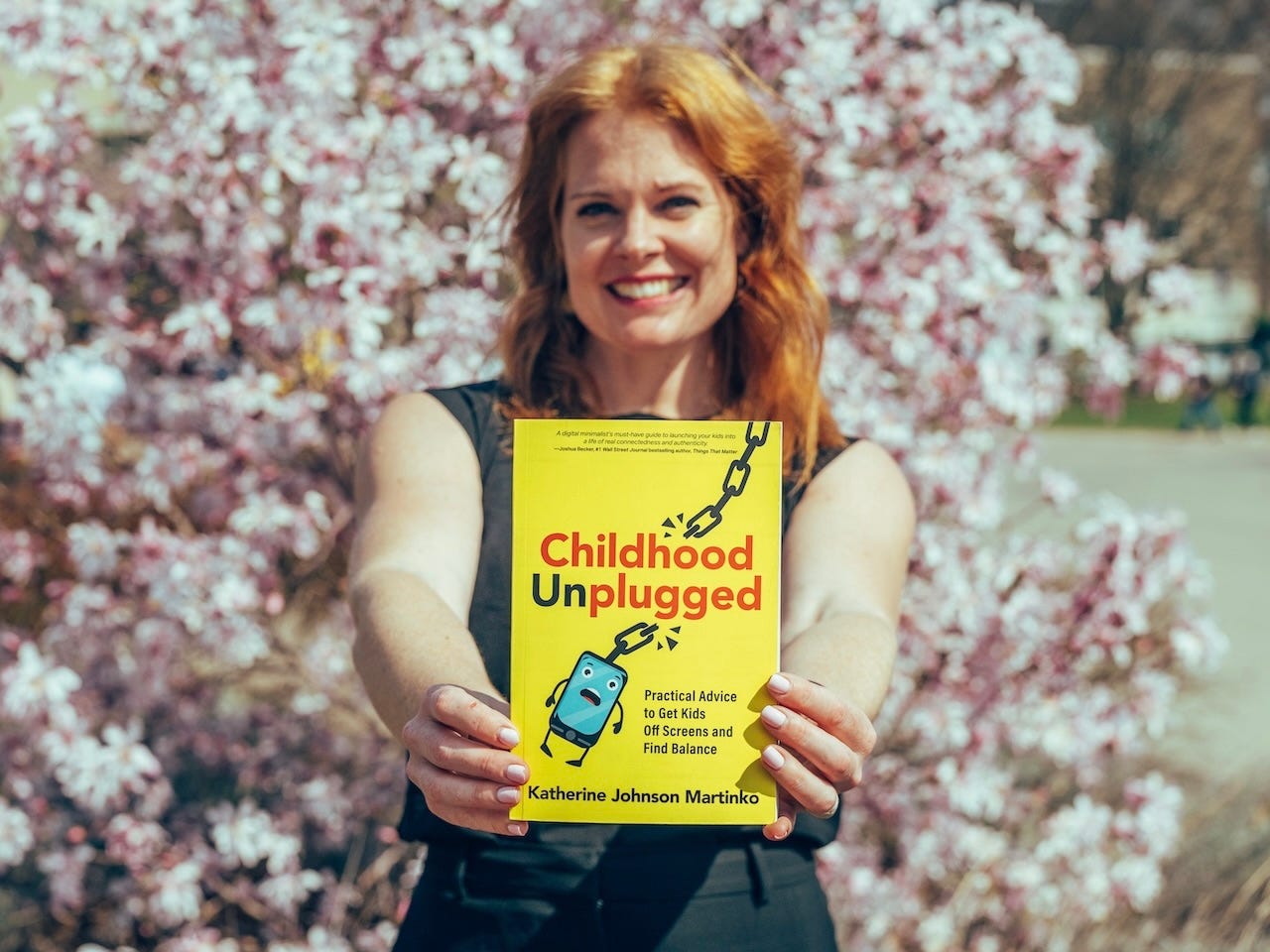
A new subscriber emailed me recently, asking for a “get started” guide to my work. She said she loved my article, “Get Off Your Gross Little Phone,” but wanted a few links to must-read pieces to keep up momentum. She wrote, “When I start following a Substacker, my first questions are, Who is this person? What are they about? What must-read articles have they written, so I can get up to speed?”
These are all great questions, especially since The Analog Family has grown so much over the past year, and many readers may not be familiar with what I’m doing here. It ties in nicely with another question I was asked last week in a podcast interview, to describe the “origin story” of my interest in digital minimalism. It got me thinking about how this entire project started, and that ties in nicely to a general reintroduction.
Three things happened.
#1. The Doctor’s Office
The first was over 10 years ago—and this is a story I tell at talks and in my new book, Hold the Phone. I met a woman who’d recently immigrated to Canada. She had a young baby the same age as mine, except that hers was calm and quiet, and mine was a real handful. When I commented on the difference in their behaviours, she told me that she drugged her baby to make her easier to manage. She added some sort of syrup to the baby’s bottle. She said it was common practice back home, and that she’d done the same with all her other children.
We were sitting in a doctor’s waiting room at the time of our conversation. She said she was going to ask the doctor for a refill, since her supply was running low.
“He won’t give you that,” I said. “We don’t do that here in Canada. It’s not part of our parenting culture. We don’t sedate perfectly healthy children to make them easier to manage.”
Then she said something I’ll never forget. She looked around the waiting room, at all the children who were also waiting for appointments, sitting perfectly still and quiet, their eyeballs glued to tablets and phones, and she said, “Are you so sure about that?”
In that moment, I realized that the Canadian kids were being sedated, too, just in a different sort of way. I didn’t start writing about kids and screens for another few years after that—I was busy working in environmental news at the time—but the moment seared itself into my memory, and it unnerved me. Something felt terribly wrong about our collective approach to entertaining the youngest and most vulnerable members of our society.
#2. Screen-Addled
The second thing occurred, ironically, on Twitter/X. A Canadian writer named Neil Pasricha, who wrote The Book of Awesome, posted about Roald Dahl’s delightful humorous poem, “Television.” I’ve always loved that poem, so I commented on Pasricha’s tweet. I don’t have the precise tweet, nor am I on that platform anymore, but it was something about how that poem inspired me to raise my then-young children in a screen-free environment.
He wrote back immediately, “How do you manage that? Please, share any tips you might have for the screen-addled!”
A seed was planted, the idea that parents were looking for guidance on something that I was already doing with my own three kids. It was the moment when I realized I might have a unique perspective that would be worth sharing.
#3. A Well-Timed Gift
The third thing was a Christmas present from my brother, a copy of Tiffany Shlain’s 2020 book, 24/6: Giving Up Screens One Day a Week to Get More Time, Creativity, and Connection. My brother said he grabbed it off the front table at Indigo, mostly because he was panicked about not having a present for me, but it turned out to be the best gift he could’ve chosen. I read the book immediately and thought, “This is what I’m doing pretty much every day of the week, not just on a digital Sabbath of sorts. I definitely have something to write about.”
Book + Newsletter
And so, I started work on Childhood Unplugged: Practical Advice to Get Kids Off Screens and Find Balance, which came out in 2023. I was a senior editor at Treehugger, so I would start my workday at 5:30, finish by lunch, then tackle my book in the afternoons. A few months before the book was scheduled to launch, I was laid off by Treehugger’s parent company Dotdash Meredith, along with hundreds of other people. It felt devastating and profoundly disorienting.
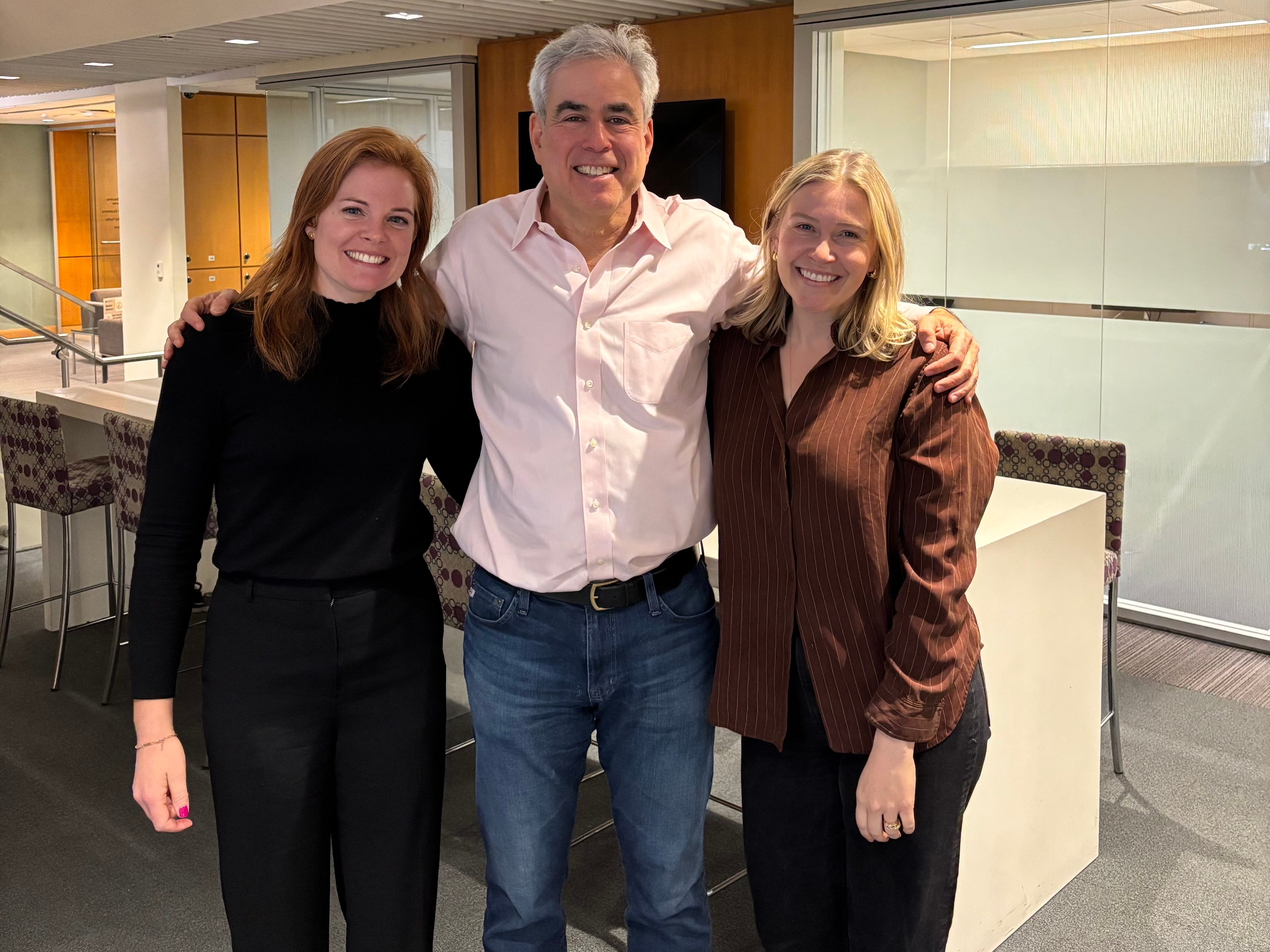
For several weeks, I felt quite sorry for myself, then figured I might as well start doing productive things. I created The Analog Family Substack as a way to keep busy, continue writing, and promote my upcoming book. Little did I expect to be so much fun! It has also opened some phenomenal doors of opportunity. Jonathan Haidt, author of The Anxious Generation, reached out to see if we could collaborate, which is why I’m now a speaker on behalf of his organization. The executive editor of The Globe and Mail, Canada’s largest newspaper, also found me online and asked if I’d write a monthly column. These came about as a result of this little newsletter.
I like to think of my Substack as a working portfolio of sorts. It’s a place where my thoughts and writing are on full display for the world to see. It’s where I test ideas, interact with readers, try to gauge what people want to know more about. It played a big role in shaping my thinking for my next book, Hold the Phone: How Parents Can Rescue Their Kids From Too Much Screen Time, which comes out in November 2026 and focuses on the topic of parental authority.
Most importantly, this newsletter is a place where I feel a sense of community and shared purpose—and I hope you readers do, too. As many of us know, it can be difficult to find likeminded people who are similarly concerned about the technological takeover of our children’s lives and want to break with the status quo. Taking a stand against premature smartphone ownership and social media access can feel isolating and even ostracizing, but here, it’s reassuring to see that others feel the same way.
Speaking
Over the past 1.5 years, I’ve delivered over 70 talks across Canada and the United States, so that has been incredibly exciting. I am hired by school boards or principals, parent councils, private schools, service clubs, religious groups, medical alliances—you name it—to give talks on the effects of excessive screen time on child development and what we can do about it, starting at home. I speak to parents, educators, health care providers, therapists, and children of all ages, either delivering keynotes or running professional development workshops—and I absolutely love it.
My favourite part is meeting the parents after, who approach me to talk about deeply personal dilemmas they’re facing. It can be emotional, hearing their stories and trying to offer a path forward in an otherwise overwhelming situation. When I’m asked about my outlook for the future, I point to the fact that parents are present, that they’re making an effort to come to a talk like mine, and it fills me with hope. The fact that we’re even having such a conversation, that the topic of what to do about screens has entered the public discourse, is a sign of movement in the right direction.
And Now…
I went from being laid off to being overemployed. I joke that I now have too many jobs, but I love them all so much that I can’t let any of them go. I work part-time as a transcript editor for an online university, which I enjoy—not just because I’m exposed to all sorts of interesting courses taught by smart professors from around the world, but also because it relies on a different part of my brain than all the other creative work I do, and sometimes I crave that mental break.
I’ve been writing my Globe column for nearly two years now. I do media appearances and freelance work for various companies; and of course, I’ve been working on my second book for most of the past year, which has pulled me away from this Substack more than I would like. I intend to get back to a regular weekly publishing schedule.
Personally Speaking
I am a mother of three boys, who are in grades 5, 9, and 11. The oldest is leaving in August for a year-long student exchange program to Japan, so my life is about to change drastically with his absence. I am reminded constantly of how fast these years go by. I cannot believe he’s on the cusp of independence, wrapping up the final months of childhood. And though I’ve made many mistakes and wish I could travel back in time to make a few decisions differently (as I’m sure every parent does), I am immensely relieved that I took the stance I did on tech and screens.
The “control” you have over those foundational years is fleeting; it’s gone before you know it, and you will never get it back. Nor should you—our children need to become independent—but we owe them our best effort to establish healthy tech-use habits, develop practical skills and analog interests, and instil in them a sense of wonder about the real world, so that they can flourish and reach their full potential.
My passion for this topic of reclaiming childhood from total technological takeover intensifies with every article and book I read, every presentation I give, every parent I talk to, every child I meet (especially the older ones, the teens who have already missed out on so much). Collectively, we face a full-blown moral crisis that requires an immediate and urgent response. These are our children I’m talking about—we cannot sacrifice their well-being and their futures on the altar of our blind technophilia. It was bad enough with smartphones and social media; it’s only going to get worse with AI.
And so, I’ll continue to fight from my little corner of the internet, based in a small town in southwestern Ontario. My posts range from fiery outrage to practical tips to discussion of the latest research studies, so what arrives in your email inbox will change from week to week. But I invite you to join me on the journey of learning, exploring, and ultimately demanding more and better for our children.
This isn’t an easy topic. There are days when many of us might wish we were raising kids in a different era, where conversations about sexploitation and looksmaxxing and brain rot aren’t a thing, but this is our fate. These are the times in which we live, and we must face them boldly. We’re not the first to feel this way:
As Frodo said in The Lord of the Rings, “I wish it need not have happened in my time.” “So do I,” said Gandalf, “and so do all who live to see such times. But that is not for them to decide. All we have to decide is what to do with the time that is given us.”
Start Reading:
Here’s a small collection of my favourite Substack posts that should give you a good sense of my philosophy and practical approach.


Other Writing:
If you’re interested in my Globe pieces (you may need a subscription), here’s my latest, which caused a flurry of glorious controversy: No, I Don’t Want My Kids Using Your Stupid AI
I write occasionally for Jonathan Haidt’s Substack newsletter, After Babel. My articles there include:
Start Listening:
Here’s a recent long podcast interview I did in May 2026 with AWE Digital Wellness. It’s one of my favourite interviews: Reclaiming Childhood: Why Unplugged Is an Act of Love With Katherine Martinko (available here on YouTube).
I was on CTV The Social last summer: Do THIS to Get Your Kids Off Screens (YouTube)
Another podcast interview: Australia is banning kids from social media—should we do the same? (YouTube)
Need a Speaker?
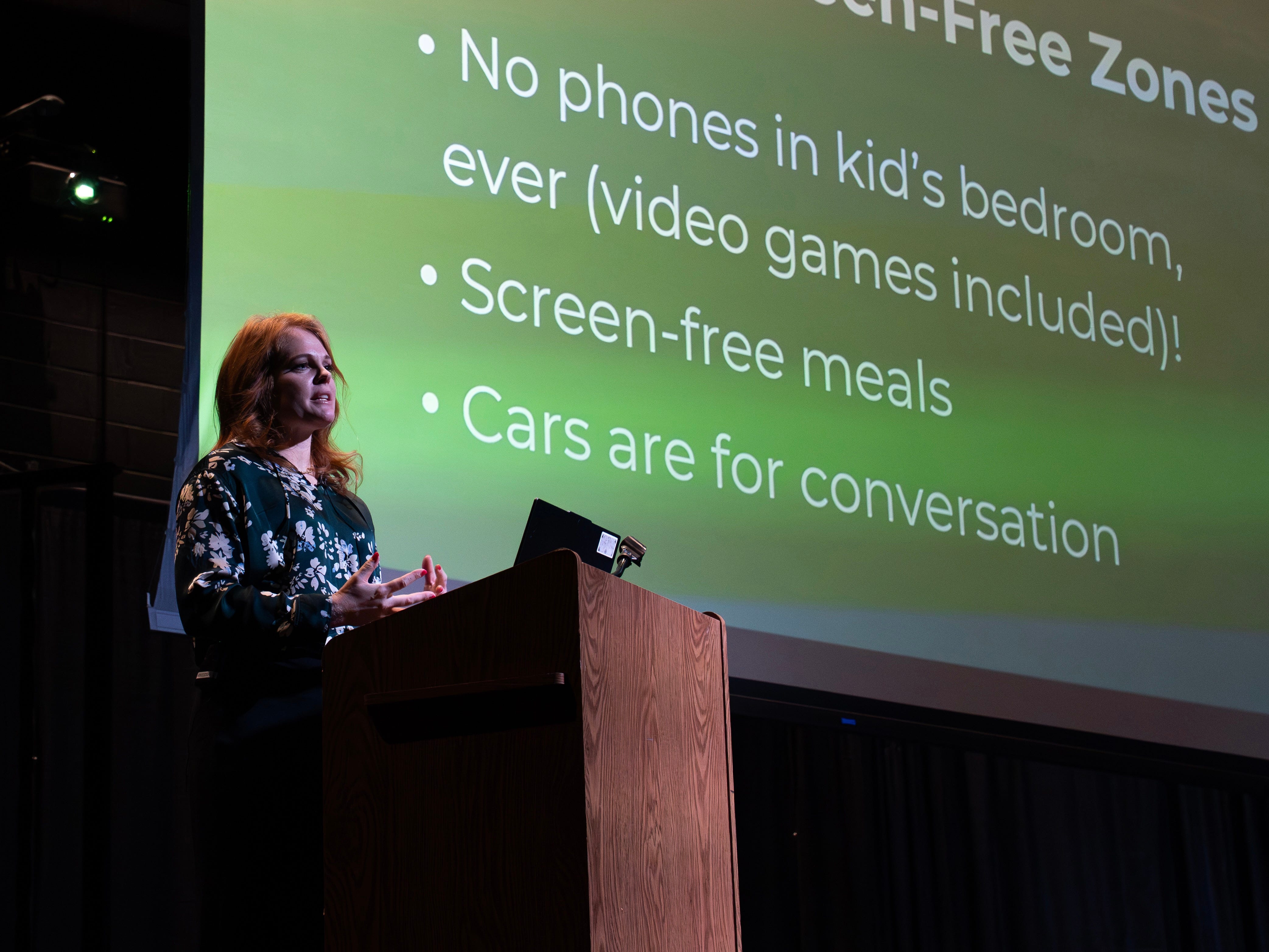
If you would like to hire me to speak, please don’t hesitate to reach out! I am booking talks into the fall of 2026. You can find more information and my contact details on my website, along with dozens of glowing reviews from previous clients. I’m always happy to discuss possible appearances, and I am willing to travel pretty much anywhere.
Here’s a short promo video about my work:
Please Order a Book!
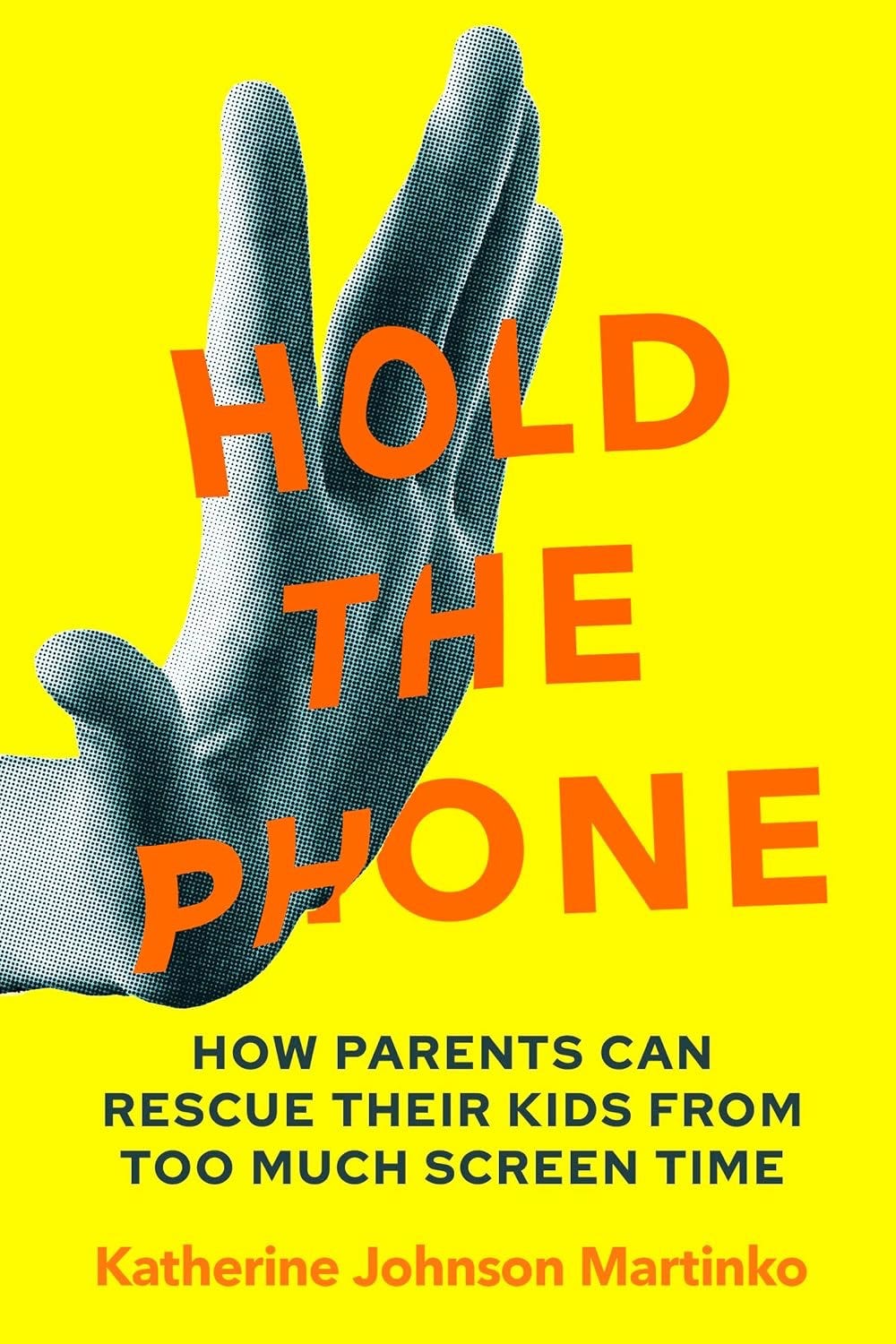
I encourage you to order both of my books, Childhood Unplugged: Practical Advice to Get Kids Off Screens and Find Balance (2023) and Hold the Phone: How Parents Can Rescue Their Kids From Too Much Screen Time (pre-order, coming Nov. 2026). Pre-orders are hugely important for authors because they indicate broader interest in a particular book. They help to determine how many copies to publish and how to direct marketing efforts. So, please consider placing an advance order.
Love this retrospective. I relate and resonate so deeply, and have been thrusting your writing at everyone I can for years. I run a nature connection organization for teens, so it feels extra relevant. Congratulations on the new book! I look forward to reading.
Love this! 🩷